
Car Breakdown While Driving: What to Do
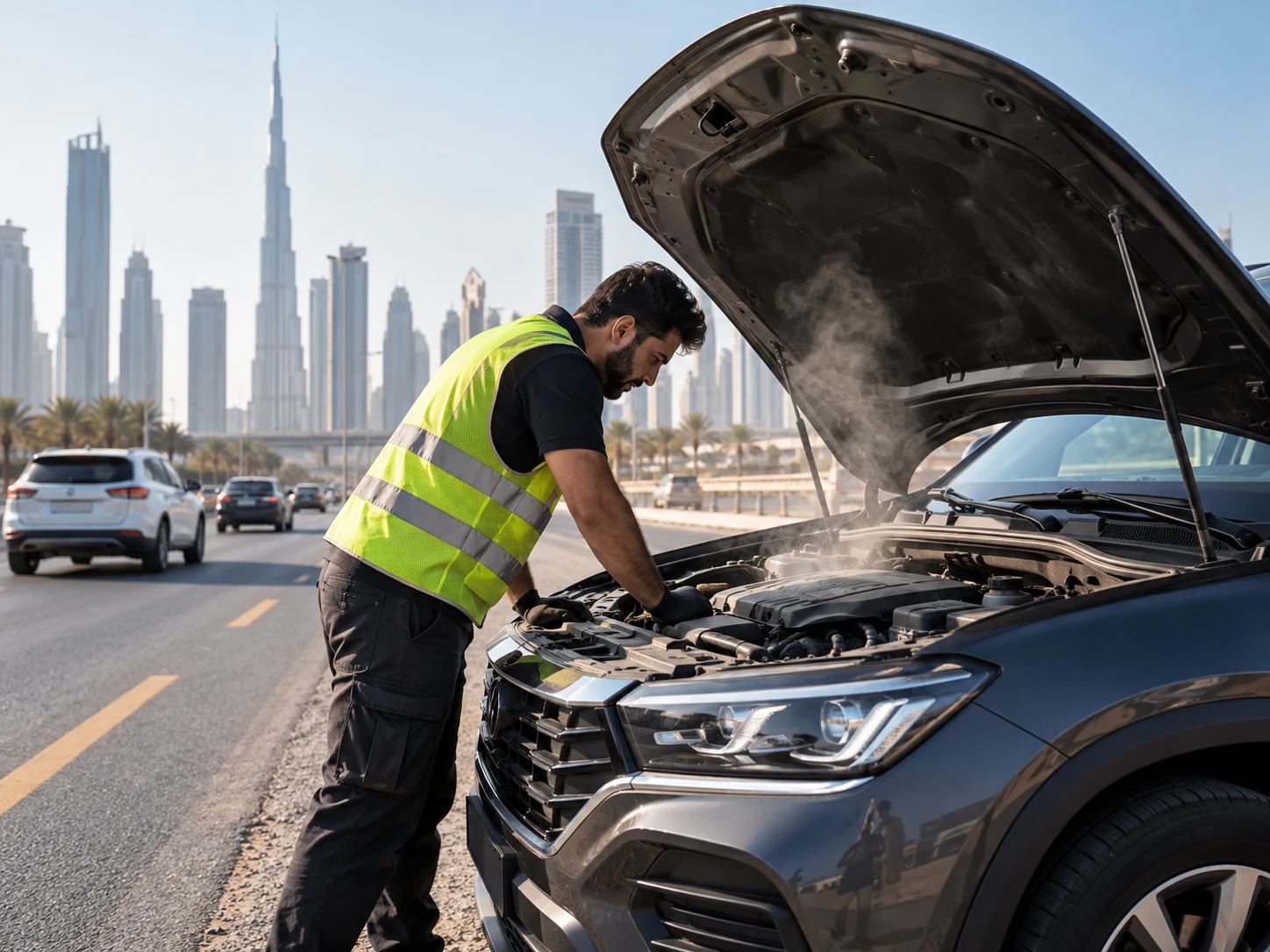
A breakdown while driving needs a calm first response: get the vehicle out of active traffic if it is safe, switch on the hazards and stop before a small fault becomes a larger repair.
Once you are in a safe position, note what happened immediately before the car lost power or became unsafe to drive. Warning lights, temperature changes, unusual noises and steering or braking symptoms all help narrow the next step.
Share the exact location, vehicle model and whether the engine still starts. Those details help decide whether you need a jump start, mobile mechanic, roadside repair or vehicle recovery.


Stay Safe First
Use your hazard lights, move the vehicle if it is safe to do so and avoid standing in dangerous traffic-side positions.
If the car cannot be moved, make visibility the priority while arranging assistance.
Share The Right Details
Give your location, car make, main symptom and whether the engine starts or the vehicle can move.
Good detail helps decide between jump-start help, roadside assistance, diagnosis or towing.
Know When Not To Drive
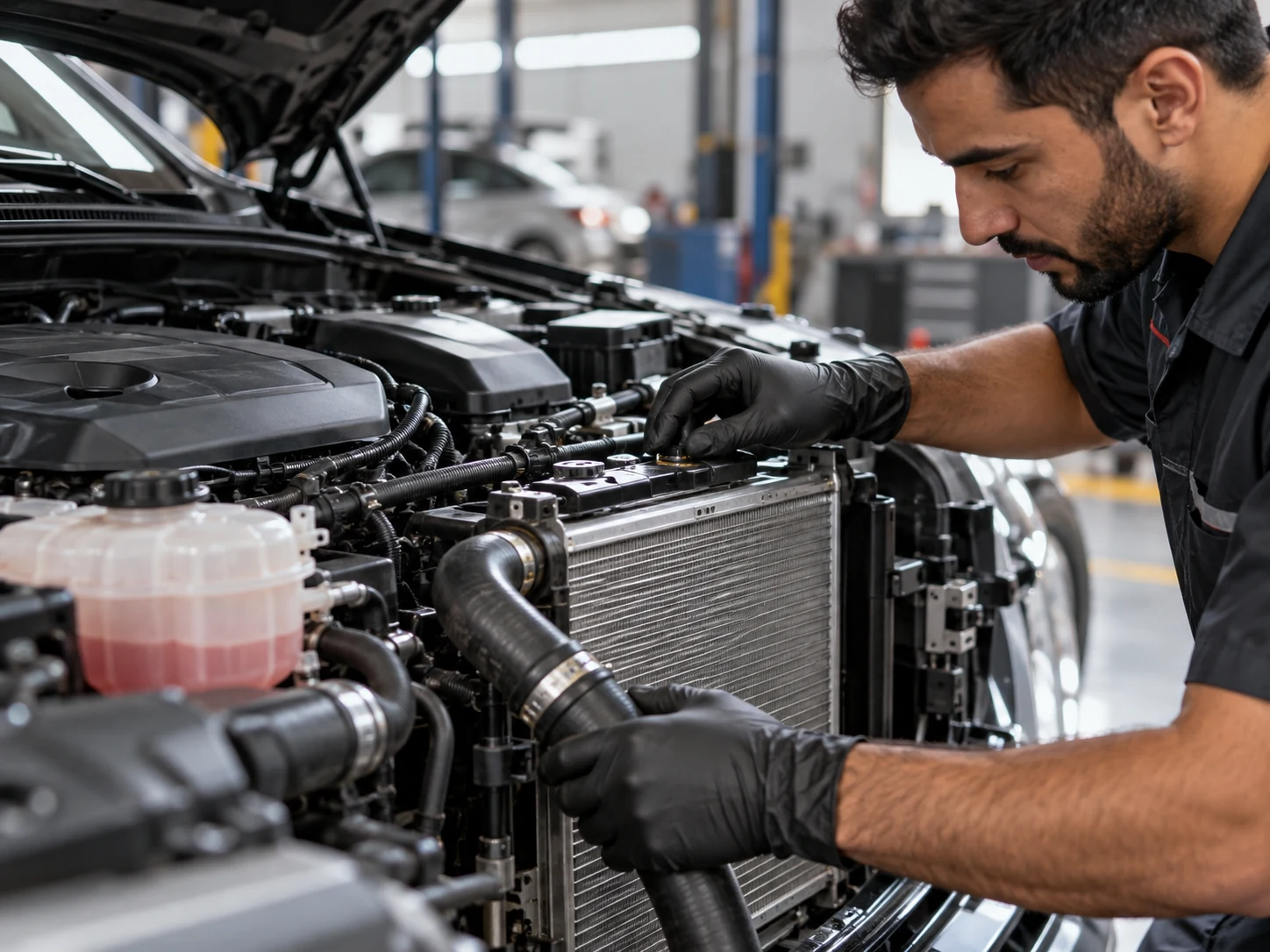
If the vehicle is overheating, braking badly, steering poorly or making serious mechanical noise, do not continue driving.
A short drive in the wrong condition can dramatically increase repair cost and safety risk.
How To Prepare For Faster Help
Keep important vehicle details available and save common service contacts in advance.
That small preparation makes roadside situations easier to manage when they happen.



Comments
Share your experience or ask a follow-up question. Comments, likes and replies stay visible for other drivers reading this post.